02
Money
Where the capital came from, who structured it, and what the instruments looked like — from Fairchild 1957 to the Vision Fund 2017.
8 entries in this section
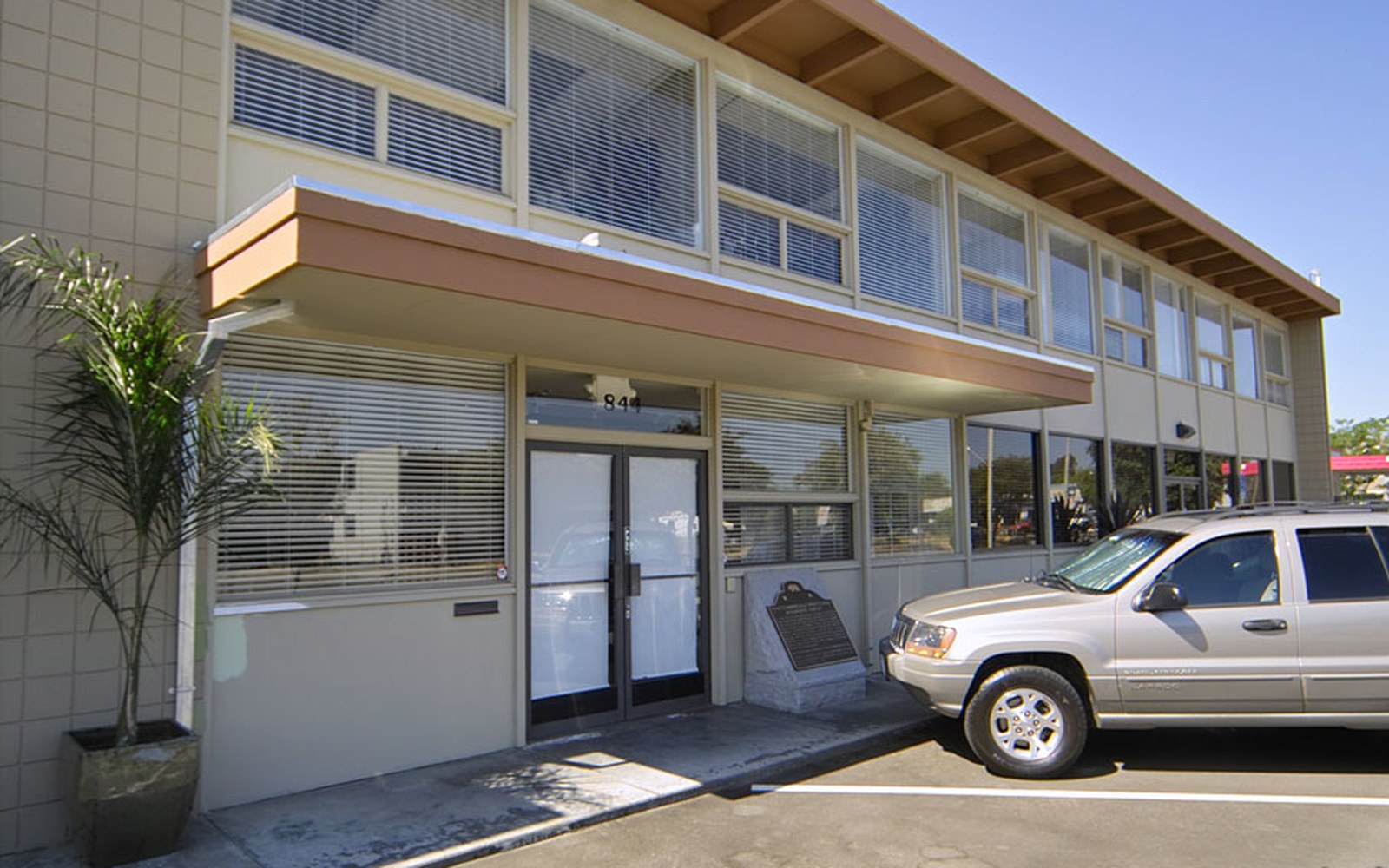
- 01Eight Names on One Resignation Letter, 1957When the 'traitorous eight' left William Shockley's laboratory in 1957, Arthur Rock helped structure the financing that created Fairchild Semiconductor — the first company widely described as venture-backed in the modern sense. The piece documents Rock's role, the $1.5m Fairchild Camera investment, and the lineage of companies that followed.
- 02The Federal Statute That Made Sand Hill Road PossibleThe Small Business Investment Act of 1958 created licensed investment companies that could use federal leverage to fund early-stage businesses — the legislative origin of the modern venture structure. The piece reads the Act against the first SBICs and the capital flows that followed.
- 03Sand Hill Road, 1972: Two Firms, One Address, Forty Years of ReturnsKleiner Perkins and Sequoia Capital both opened on Sand Hill Road, Menlo Park in 1972 and between them funded a disproportionate share of what became the Nasdaq's largest companies. The piece documents the founding structures, the LP terms as they were reported, and the portfolio record through PitchBook data.
- 04The Pension Rule Change That Opened the FloodgatesA 1979 Department of Labor clarification of the ERISA 'prudent man' rule allowed pension funds to allocate to venture capital for the first time — and the amount of capital available to the industry roughly quadrupled within a decade. The piece documents the regulatory text and the capital flow data from the NVCA's historical figures.
- 05Summer 2005, Cambridge, Massachusetts: Eight CompaniesY Combinator ran its first batch in the summer of 2005 — eight companies, $6,000 per founder, a three-month programme that turned the seed round into a class. The piece documents the founding structure, the batch, and how the model scaled from Mountain View through the Winter and Summer cycles.
- 06What a SAFE Actually Is, and Where It Came FromY Combinator published the Simple Agreement for Future Equity in 2013 as a one-page alternative to the convertible note — no interest rate, no maturity date, conversion triggered by a priced round. The piece reads the original document and sets it against the convertible it replaced.
- 07One Hundred Billion Dollars and What It Did to the MarketSoftBank's Vision Fund closed in May 2017 at $98.6bn — roughly twice the size of all other active venture funds combined, according to PitchBook — and proceeded to write cheques that reset valuation expectations across the industry. The piece documents the fund structure, the LP roster, and the downstream effect on round sizes.
- 08The Round Alphabet: What Each Letter Actually MeantSeed, Series A, Series B — the labels have stayed the same while the amounts attached to them have changed by an order of magnitude since 2005. The piece compares Crunchbase median round sizes at five-year intervals and documents when the definitions stopped matching the practice.